Quick Answer: Bare concrete pool decks absorb and radiate heat, making them uncomfortable—and even dangerous—during summer. Specialized coatings for pool decks use reflective pigments, light-colored finishes, and textured surfaces to significantly reduce surface temperatures, keeping bare feet comfortable even on the hottest days.
Stepping onto your pool deck in July shouldn't feel like walking across hot coals. But for homeowners with untreated concrete, that's exactly what happens. Standard concrete absorbs solar radiation throughout the day and releases it back as surface heat—temperatures can climb well above 140°F under direct Florida sun.
The good news? The right pool deck coating changes everything. Specialized coatings are engineered not just for aesthetics, but for thermal performance. They reflect sunlight, resist heat absorption, and keep surfaces cool enough to walk on barefoot—even at peak afternoon temperatures.
This post breaks down the science behind heat-resistant coatings for pool decks, what features to look for, and why homeowners in Ormond Beach and across Flagler County are making the switch.
Key Takeaways
- Uncoated concrete pool decks can reach dangerous surface temperatures in direct Florida sun, posing a burn risk for bare feet.
- Coatings for pool decks reduce surface heat through reflective pigments, light-colored finishes, and UV-resistant materials.
- Choosing a qualified pool deck coating company in Ormond Beach, FL ensures proper surface prep and long-lasting results in Florida's demanding climate.
Why Do Pool Decks Get So Hot in Summer?
Concrete is a dense material with high thermal mass. That means it absorbs heat slowly throughout the day—and holds onto it long after the sun sets. Dark or weathered concrete amplifies this effect, absorbing more solar radiation and radiating it back at ground level, right where feet are walking.
In Florida, where summer sun is intense and the season stretches well into October, this isn't just uncomfortable—it's a safety concern. Children and pets are especially vulnerable to burns from superheated surfaces.
The color, texture, and material of a pool deck surface all influence how hot it gets. Smooth, dark, uncoated concrete sits at the worst end of the spectrum. A properly applied deck coating sits at the other end.
How Coatings for Pool Decks Keep Surfaces Cooler
Do reflective pigments actually make a difference on pool decks?
Yes—and significantly so. High-quality pool deck coatings incorporate solar-reflective pigments that bounce infrared radiation away from the surface rather than absorbing it. This is the same technology used in cool-roof systems and heat-reducing pavement applications.
The result is a surface that stays measurably cooler under identical sun exposure. While uncoated dark concrete may reach 140°F or higher, a coated surface with reflective pigments can remain 30–50°F cooler under the same conditions.
How does coating color affect pool deck temperature?
Color plays a major role. Lighter colors—whites, tans, light grays—reflect more of the visible light spectrum, reducing heat absorption at the surface level. Darker coatings absorb more solar energy and warm up faster.
This doesn't mean you're limited to plain white. Modern pool deck coatings come in a wide range of light and medium tones that balance aesthetics with thermal performance. A skilled pool deck coating company in Ormond Beach, FL can help you select a color that complements your home while keeping temperatures manageable.
Does texture help with heat reduction on pool decks?
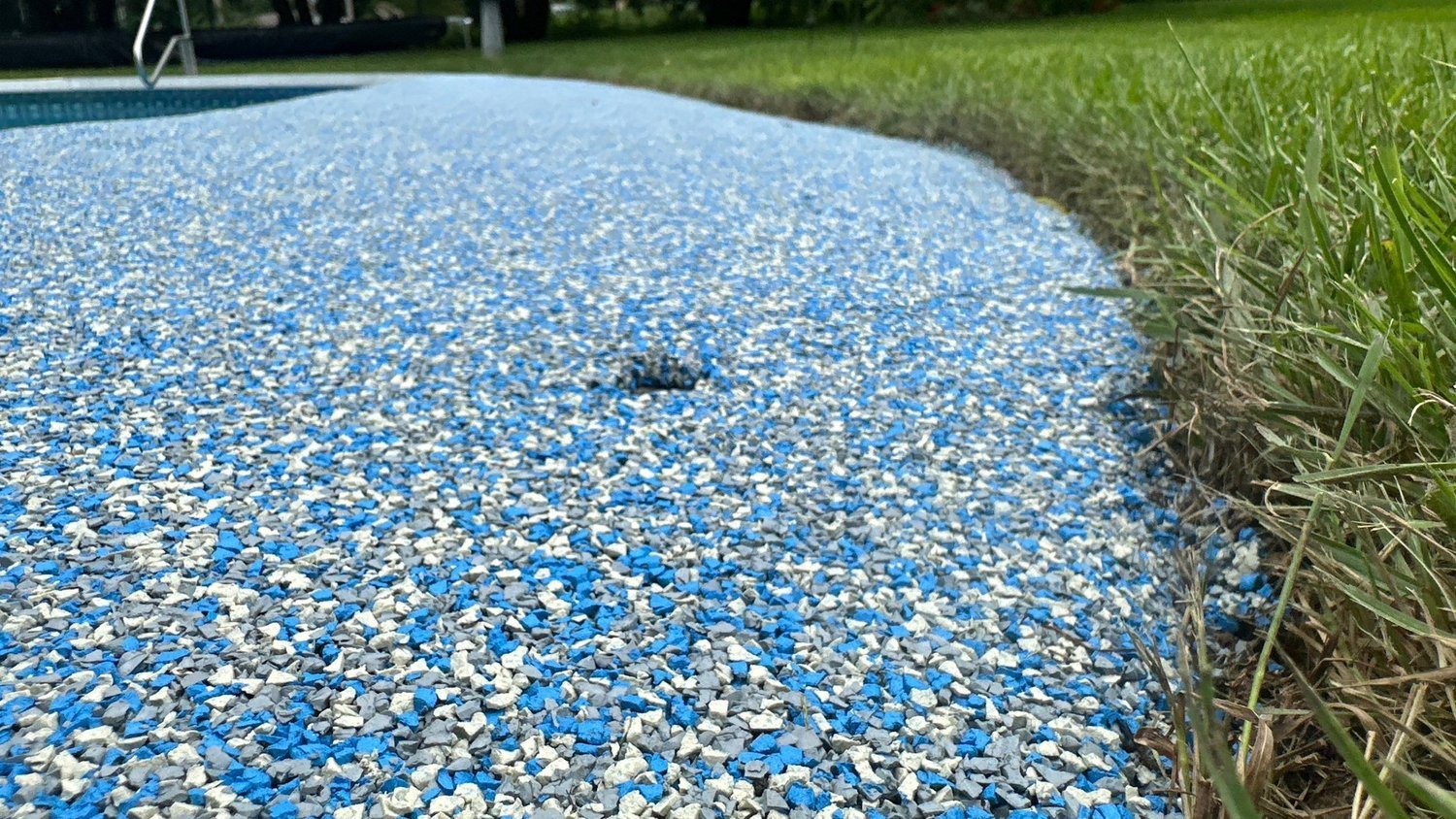
Texture serves two purposes: slip resistance and airflow. A textured coating creates micro-pockets of air between the foot and the surface, reducing the direct contact area and limiting heat transfer. This is why a textured coating at 110°F often feels more comfortable than smooth concrete at 95°F—less surface contact means less heat conducted to the skin.
Texture also provides essential traction around wet pool areas, making it a functional and safety-driven feature.
What Makes Florida Pool Decks a Unique Challenge?
Florida's climate doesn't just bring heat—it brings humidity, UV intensity, and frequent rainfall. These conditions accelerate the breakdown of untreated concrete and can degrade lower-quality coatings quickly.
A coating formulated for a mild climate may blister, fade, or peel under prolonged Florida sun. That's why material selection matters as much as color or texture. Look for coatings that are specifically rated for UV resistance and thermal cycling—the daily expansion and contraction of surfaces as they heat and cool.
Flagler Concrete Coatings works with products engineered for Florida's demanding environment, applied using proper surface preparation techniques that ensure adhesion and long-term durability.
What Types of Pool Deck Coatings Are Available?
Acrylic Deck Coatings
Acrylic coatings are one of the most widely used options for pool decks. They bond well to existing concrete, come in many colors and textures, and offer solid UV resistance. Many acrylic systems include a textured broadcast layer that enhances both grip and thermal comfort.
Epoxy Coatings
Epoxy systems create a hard, seamless surface that resists chemicals, staining, and abrasion. Some epoxy formulas include metallic or flake finishes that reflect light effectively. However, standard epoxy can yellow with prolonged UV exposure, so UV-stabilized topcoats are often added for outdoor applications.
Cool Deck and Similar Specialty Systems
Products like Kool Deck and similar specialty systems are designed from the ground up for heat reduction. They use lightweight aggregate and high-reflectivity materials to minimize surface temperatures. These systems are popular in Arizona and Florida for exactly this reason.
Concrete Overlays with Decorative Finishes
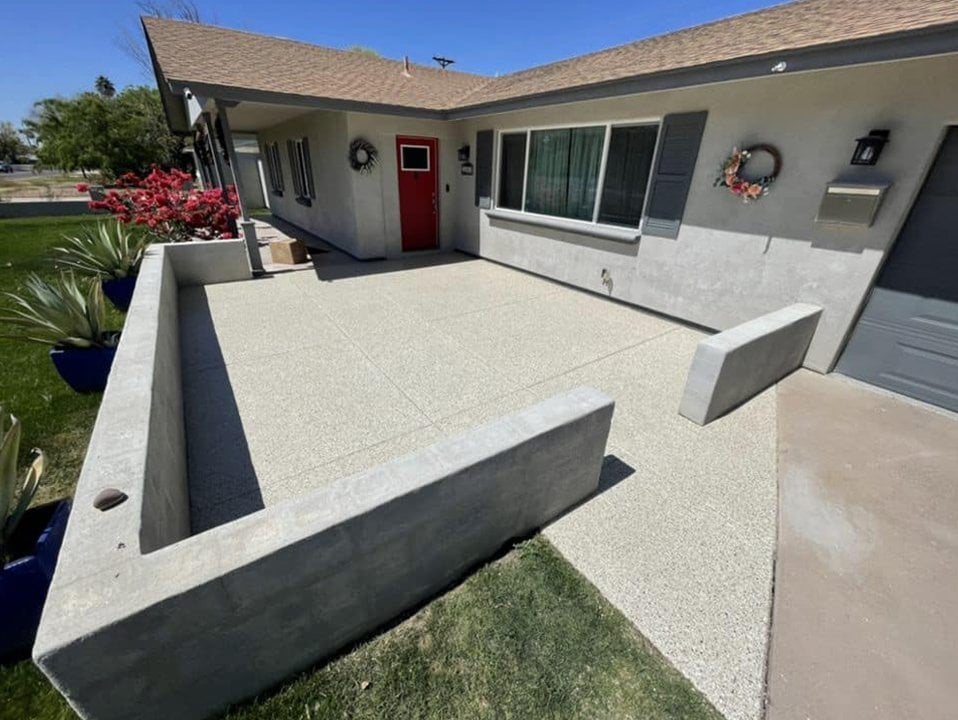
Thin concrete overlays allow homeowners to refresh an aging pool deck while adding texture and a fresh coating layer. Stamped or brushed finishes can mimic stone or tile, adding visual appeal without sacrificing comfort.
How Long Does a Pool Deck Coating Last in Florida?
With proper application and routine maintenance, a quality pool deck coating can last 5–10 years or more in Florida conditions. The lifespan depends on:
- Surface preparation: Coatings applied to clean, properly prepped concrete adhere better and last longer.
- Product quality: Not all coatings are equal. Professional-grade systems outperform consumer-grade products significantly.
- Maintenance: Periodic cleaning and resealing extend coating life and maintain appearance.
Working with an experienced pool deck coating company in Ormond Beach, FL gives you access to commercial-grade products and application expertise that DIY projects can't match.
Frequently Asked Questions
How much cooler can a coated pool deck be compared to bare concrete?
Surface temperature reductions of 30–50°F are achievable with high-quality reflective coatings for pool decks, depending on the coating color, material, and sun exposure. Lighter colors and reflective pigments produce the greatest reduction.
Can pool deck coatings be applied over existing concrete?
Yes. Most professional pool deck coating systems are designed to bond directly to existing concrete, provided the surface is properly cleaned, repaired, and prepared. Cracks and spalling should be addressed before coating is applied.
How long does pool deck coating installation take?
A typical residential pool deck can be coated in one to two days, with additional curing time before foot traffic is allowed. Your pool deck coating company in Ormond Beach, FL can give you a more specific timeline based on deck size and product used.
Are cool pool deck coatings safe for children and pets?
Yes. Heat-reducing coatings reduce burn risk for bare feet—including children and pets who spend the most time on pool deck surfaces. Textured finishes also improve slip resistance, reducing the risk of falls around wet areas.
How do I maintain a coated pool deck?
Regular sweeping and occasional washing with a mild detergent keeps the surface clean and prevents buildup that can degrade the coating. Resealing every few years helps protect color and performance.
Ready to Stop Walking on Hot Concrete?
A pool deck should be an extension of your outdoor living space—not an obstacle course you have to sprint across barefoot. The right coatings for pool decks make a measurable difference in surface temperature, safety, and appearance.
Flagler Concrete Coatings serves homeowners across Ormond Beach and the surrounding Flagler County area with professional pool deck coating solutions built for Florida's climate. Contact the team today for a free consultation and find out which coating system is the right fit for your deck.