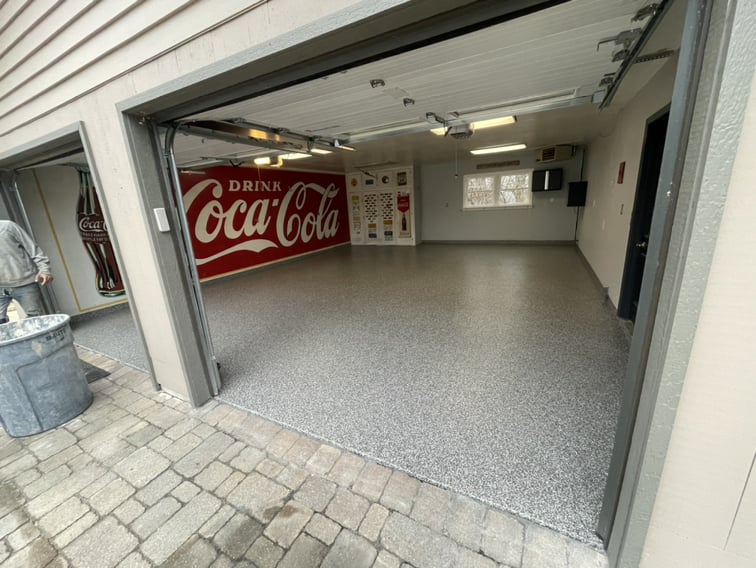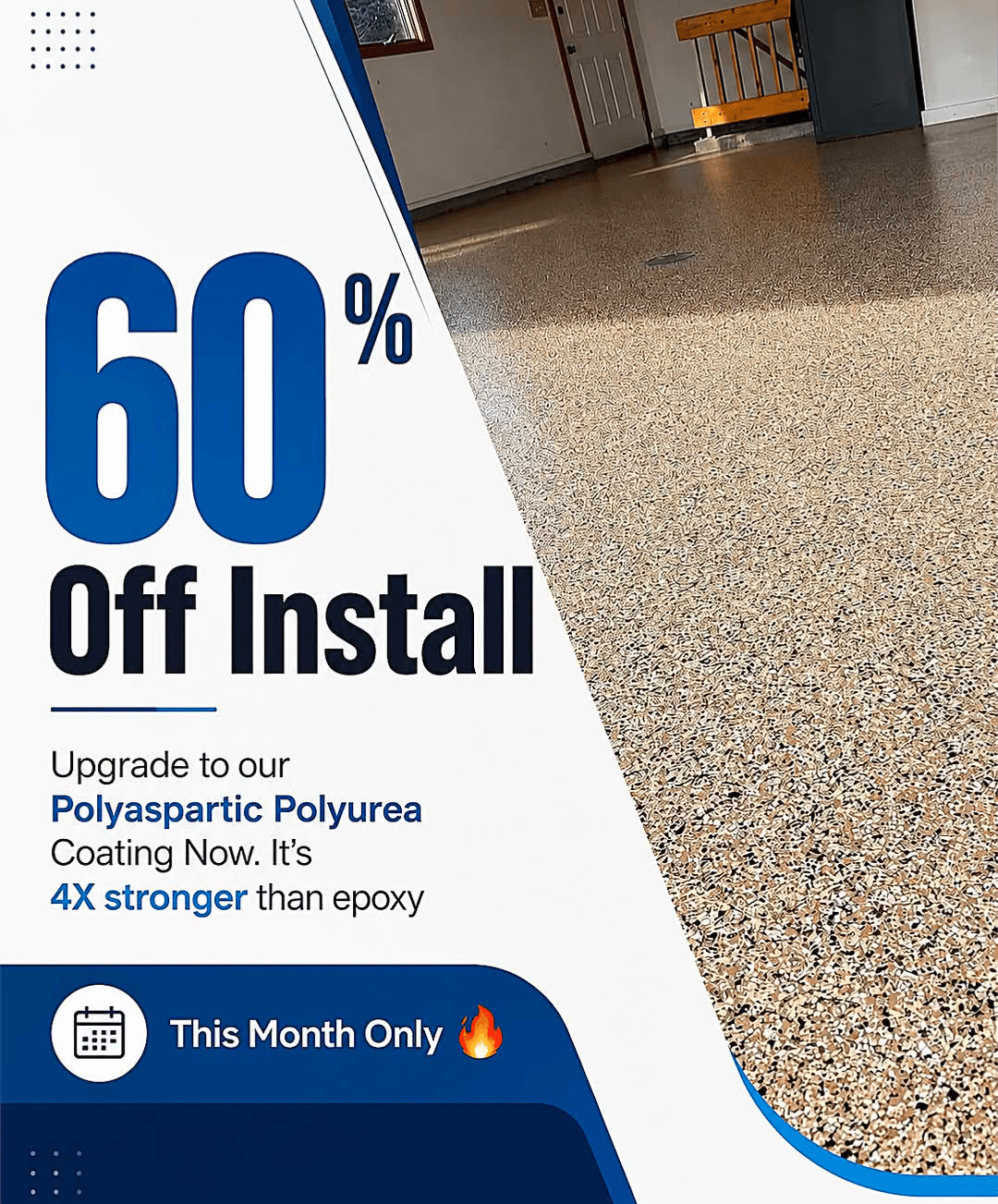
Quick Answer: Polyaspartic garage floor coatings thrive in Florida's climate because they resist UV damage, cure quickly in high humidity, and won't peel or yellow under intense heat. For homeowners in the Orlando area, they offer a durable, long-lasting finish that outperforms traditional epoxy.
Florida garages take a beating. Between the relentless summer sun, sky-high humidity, and afternoon storms that seem to roll in like clockwork, your concrete floor faces conditions most materials simply can't survive. Epoxy coatings—once the go-to choice—often crack, peel, or turn yellow after just a few brutal seasons.
That's where polyaspartic coatings change the game. At Flagler Concrete Coatings, we've seen firsthand how these advanced floors hold up against the Sunshine State's toughest weather. This post breaks down exactly why polyaspartic garage floor coatings are built for Florida's heat and humidity, and what that means for your garage.
Key Takeaways
- Polyaspartic coatings resist UV rays, so they won't yellow or fade under Florida's intense sun—unlike traditional epoxy.
- These coatings cure in as little as one day, even in high humidity, making installation fast and reliable year-round.
- For homeowners seeking garage floor coatings Orlando FL can depend on, polyaspartic offers superior durability, moisture resistance, and long-term value.
Why Does Florida's Climate Damage Garage Floors?
Florida's environment is uniquely hard on concrete. Average summer temperatures regularly climb into the 90s, and humidity levels often exceed 70%. This combination creates a perfect storm for floor damage.
Heat causes materials to expand and contract, which stresses coatings over time. Humidity introduces moisture that seeps into concrete, leading to bubbling, peeling, and mold growth beneath weaker finishes. Add in the UV exposure from year-round sunshine, and many coatings break down faster than homeowners expect.
Traditional epoxy struggles with all three of these challenges. It's sensitive to moisture during curing, prone to yellowing under UV light, and can become brittle in extreme temperature swings.
What Makes Polyaspartic Coatings Different?
Polyaspartic is a type of polyurea coating originally developed for industrial and outdoor use. Its chemistry gives it several advantages that matter a lot in a place like Florida.
Does polyaspartic resist UV damage?
Yes. Polyaspartic coatings are UV-stable, which means they won't yellow, fade, or chalk when exposed to sunlight. This is a major upgrade over epoxy, which often discolors within a couple of years in sun-drenched garages. If your garage door stays open often, or sunlight streams in during the day, this resistance keeps your floor looking fresh far longer.
How does polyaspartic handle high humidity?
Polyaspartic coatings cure quickly and reliably even in humid conditions. While epoxy can trap moisture and fail during application on damp days, polyaspartic bonds tightly to properly prepped concrete. This creates a seamless, waterproof surface that blocks moisture from working its way up through the slab.
Can polyaspartic withstand Florida heat?
Absolutely. Polyaspartic coatings remain flexible and stable across a wide temperature range. They don't soften in extreme heat or turn brittle, which means they resist cracking as your concrete expands and contracts throughout the day. This flexibility is one reason these floors last for years without visible wear.
How Fast Can Polyaspartic Floors Be Installed?
One of the biggest practical benefits is speed. Polyaspartic coatings cure in as little as one day, compared to the several days epoxy often requires. Because the material sets fast even in humidity, our team can typically prep, coat, and finish a residential garage within 24 hours.
That means less disruption for you—no waiting a week to park your car or store your gear. For busy homeowners looking for garage floor coatings Orlando FL installers can complete quickly, this fast turnaround is a real advantage.
Are Polyaspartic Floors Worth the Investment in Florida?
For most Florida homeowners, yes. While polyaspartic garage floor coatings often carry a higher upfront cost than basic epoxy, they deliver far better long-term value.
Choose polyaspartic if durability and low maintenance matter more to you than the lowest possible price. These floors resist stains from oil, chemicals, and road salt, wipe clean easily, and hold their appearance for a decade or more. Epoxy might save you money today, but frequent recoating and repairs often make it more expensive over time.
For homeowners who want a floor that looks great and performs reliably through every Florida summer, polyaspartic is the smarter choice.
Protect Your Garage Floor for the Long Haul
Florida's heat and humidity will test any garage floor—but polyaspartic coatings are engineered to pass that test. With UV resistance, fast curing, moisture protection, and standout durability, they're one of the best investments you can make for your home.
If you're ready to upgrade your garage, the team at Flagler Concrete Coatings can help you choose the right finish and handle the installation from start to finish. Reach out today for a free quote and see why so many local homeowners trust us with their floors.
Frequently Asked Questions
How long do polyaspartic garage floor coatings last?
When professionally installed, polyaspartic coatings can last 15 to 20 years or more, even in demanding climates like Florida's. Their UV stability and moisture resistance help them outlast traditional epoxy by a wide margin.
Is polyaspartic better than epoxy for Florida garages?
For most Florida homeowners, yes. Polyaspartic resists UV yellowing, cures well in humidity, and handles heat without cracking—three areas where epoxy commonly fails in the state's climate.
How much do garage floor coatings cost in Orlando, FL?
Costs vary based on garage size, concrete condition, and the finish you choose. Polyaspartic typically costs more upfront than epoxy but offers better long-term value. Contact Flagler Concrete Coatings for an accurate, personalized quote.
Can polyaspartic coatings be applied year-round in Florida?
Yes. Because polyaspartic cures quickly even in high humidity, it can be installed throughout the year—making it a flexible option regardless of the season.