Acid based concrete stain offers a distinctive way to revitalize and beautify concrete surfaces, transforming ordinary slabs into works of art. Unlike paints or coatings that sit on top of the concrete, acid stains penetrate the surface, reacting chemically with the minerals present to create permanent, translucent color variations. This process results in a mottled, variegated, and utterly unique finish that mimics the look of natural stone or aged leather. If you're considering this unique aesthetic for your home or business, understanding its intricacies is key. Flagler Concrete Coatings understands the science and artistry behind achieving stunning, durable concrete finishes.
What is Acid Based Concrete Stain?
Acid based concrete stain is a mixture of water, hydrochloric acid, and acid-soluble metallic salts. When applied to concrete, the acid component mildly etches the surface, allowing the metallic salts to penetrate. Once inside, these salts react with the free lime (calcium hydroxide) in the concrete. This chemical reaction permanently changes the color of the concrete itself, rather than simply covering it. The resulting colors are not opaque but rather translucent, allowing the natural variations and characteristics of the concrete to show through, creating depth and dimension.
The final color achieved is highly dependent on the concrete's age, porosity, chemical composition, and even the amount of moisture present. This unpredictability is precisely what gives acid staining its unique charm, ensuring no two applications are exactly alike. Common colors range from earthy browns, tans, and terracottas to subtle blues and greens, all with a rich, natural appearance.
Pros and Cons of Acid Staining
Like any concrete treatment, acid staining comes with its own set of advantages and disadvantages:
Advantages:
- Unique Aesthetic: Creates a one-of-a-kind, mottled, and translucent finish that cannot be replicated by other methods.
- Durability: Since the color is a result of a chemical reaction within the concrete, it won't chip, peel, or fade like surface coatings. It becomes an integral part of the concrete.
- Low Maintenance: Once sealed, acid-stained concrete is relatively easy to clean and maintain.
- Versatility: Can be used on both new and existing concrete, indoors and outdoors.
- Eco-Friendly: Many acid stains are water-based and have low VOCs.
Disadvantages:
- Limited Color Palette: Colors are generally restricted to earth tones. Achieving vibrant or specific colors is not possible.
- Unpredictability: The final color can vary significantly due to concrete composition, making exact color matching difficult.
- Surface Preparation is Crucial: Any existing coatings, glues, or grease must be completely removed, or the stain will not react properly.
- Requires Sealing: Acid-stained concrete must be sealed to protect the surface, enhance color, and prevent dusting.
- Not for All Concrete: It won't work on concrete that has very little free lime, such as some modern high-performance concretes, or on surfaces with extensive repairs or patching.
Ideal Applications for Acid Stains
Acid based concrete stain is a versatile solution for enhancing a variety of concrete surfaces, both residential and commercial. Its unique, natural aesthetic makes it particularly popular for areas where a rustic, earthy, or stone-like appearance is desired. Common applications include:
- Basements: Transforming drab concrete floors into warm, inviting living spaces.
- Patios & Pool Decks: Creating an elegant, slip-resistant outdoor surface that blends beautifully with natural surroundings.
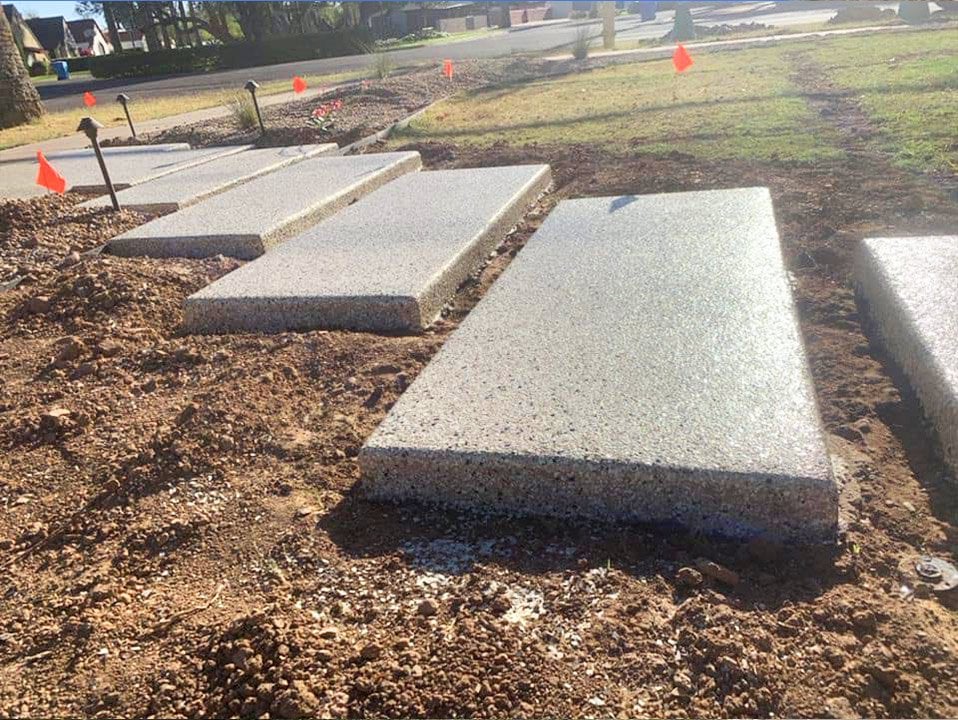
- Driveways & Walkways: Adding curb appeal with a durable, low-maintenance finish.
- Garages: Providing a unique and tough floor that stands up to vehicle traffic and spills.
- Commercial Spaces: Restaurants, retail stores, and offices often use acid stain for a distinctive, high-traffic floor.
The key is ensuring the concrete surface is suitable for staining and properly prepared to achieve the desired results.
The Acid Staining Process: What to Expect
Achieving a beautiful acid-stained concrete floor is a multi-step process that requires careful attention to detail and expertise. Here’s a general overview of what the process entails:
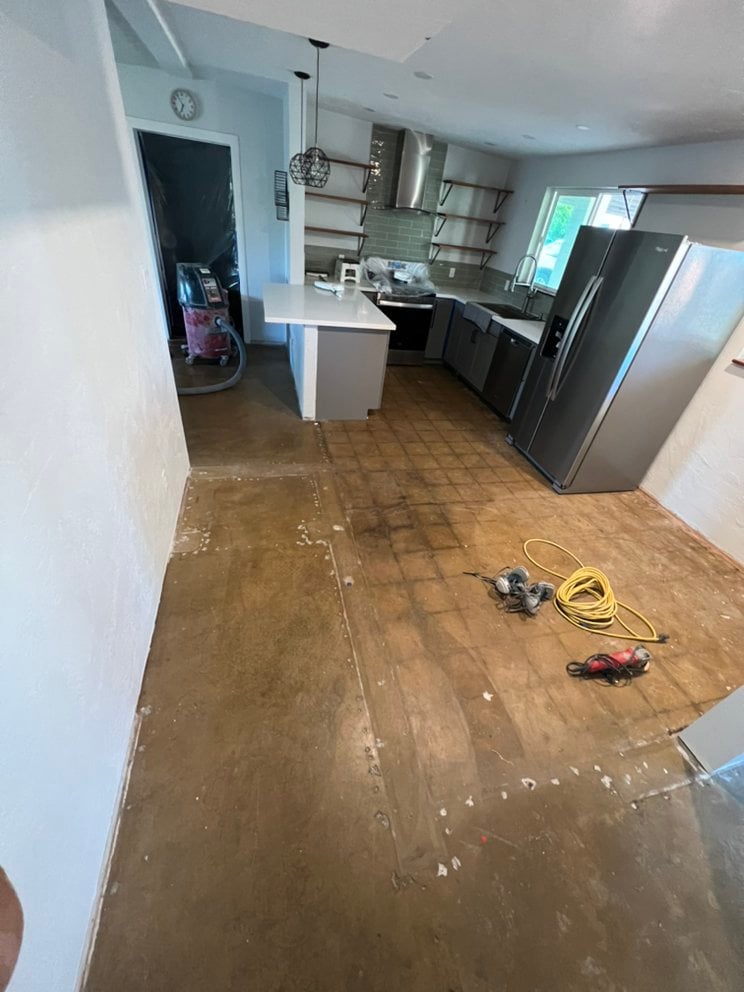
- Surface Preparation: This is arguably the most critical step. The concrete must be thoroughly cleaned, free of all dirt, grease, existing coatings, sealers, and efflorescence. Any repairs or patching must be completed, understanding that patched areas may stain differently.
- Acid Application: The diluted acid stain is applied evenly to the clean, dry concrete using a sprayer, brush, or roller. Multiple coats may be applied to achieve desired color intensity. The chemical reaction begins immediately, and you'll often see bubbling as the acid reacts with the lime.
- Reaction Time: The stain is left to react for several hours, sometimes overnight, allowing the metallic salts to fully penetrate and color the concrete.
- Neutralization & Cleaning: Once the desired color is achieved, the surface is thoroughly rinsed with water and neutralized with an alkaline solution to stop the chemical reaction and remove any residue. This step is crucial to prevent ongoing etching and ensure proper sealer adhesion.
- Drying: The concrete must be completely dry before sealing, which can take several days depending on humidity and ventilation.
- Sealing: A high-quality concrete sealer is applied to protect the stained surface, enhance the color, and provide durability against abrasion and moisture. For outdoor applications, UV-resistant sealers are essential.
Beyond Acid Stain: Alternatives and Enhancements
While acid based concrete stain offers a unique aesthetic, it's important to consider other advanced concrete coating options that might better suit specific needs or offer broader benefits. At Flagler Concrete Coatings, we specialize in a range of high-performance solutions that often surpass traditional acid stains in terms of durability, color versatility, and protective qualities.
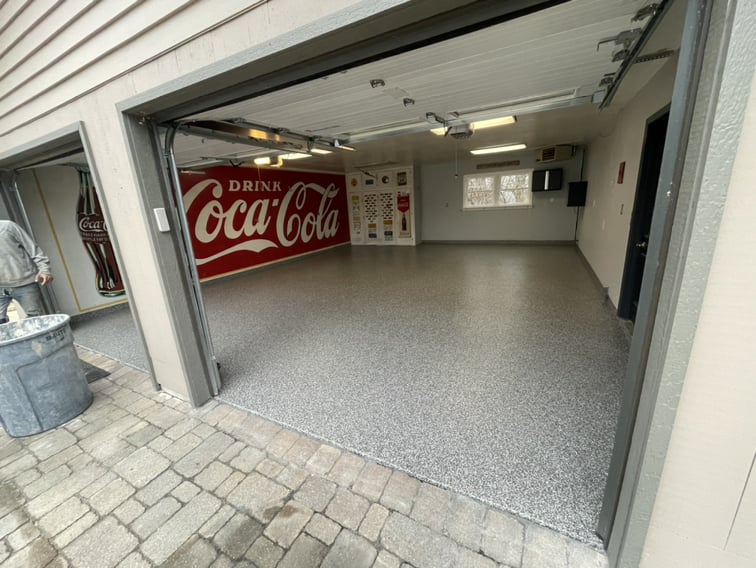
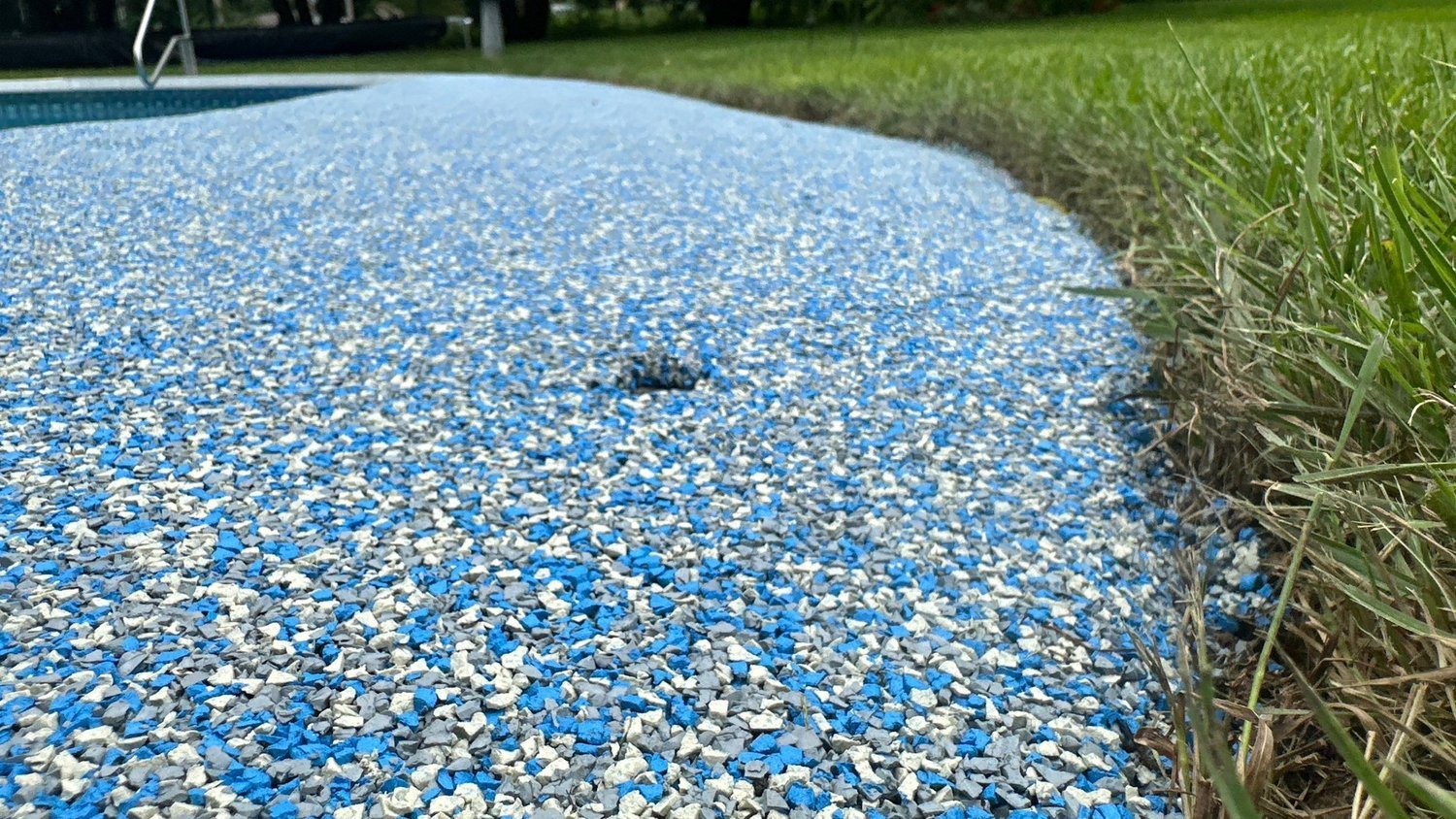
For instance, our premium epoxy and polyaspartic coating systems provide an incredibly resilient, non-porous surface that is resistant to chemicals, abrasions, and impact. These coatings offer an almost limitless range of colors, decorative flakes, and textures, allowing for complete customization and consistent results. They are ideal for high-traffic areas like garages and commercial floors where maximum protection and a specific aesthetic are paramount. While acid stain offers a natural, variegated look, our advanced coatings deliver a uniform, high-performance finish with superior longevity and ease of maintenance. We can help you explore all options to find the perfect coating for your concrete.
Frequently Asked Questions
How long does acid stain last?
Acid stain is permanent; the color becomes an integral part of the concrete. However, the sealer applied over the stain will need reapplication every 3-5 years, or more frequently in high-traffic or outdoor areas, to maintain protection and appearance.
Can acid stain be applied to old concrete?
Yes, acid stain can be applied to old concrete, provided the surface is in good condition, thoroughly cleaned, and free of any existing coatings, sealers, or significant damage. Extensive repairs or patches may stain differently than the original concrete.
What colors are available with acid stain?
Acid stains typically produce a range of earthy, translucent tones, including browns, tans, terracottas, and some greens and blues. The exact shade and intensity depend on the concrete's unique composition, making each application one-of-a-kind. Vibrant or opaque colors are not achievable with acid stains.
Is acid stain slippery?
The acid stain itself does not make the concrete slippery. However, the sealer applied over it can create a slick surface, especially when wet. For areas like patios, pool decks, or commercial spaces, anti-slip additives can be incorporated into the sealer to provide better traction.
Does acid stain chip or peel?
No, acid stain does not chip or peel because it chemically reacts with the concrete to become a permanent part of the surface. Chipping or peeling issues are typically associated with surface coatings or paints, not with properly applied acid stains.
How do I maintain acid stained concrete?
Maintenance is relatively simple. Regular cleaning with a mild, pH-neutral cleaner and water is usually sufficient. Avoid harsh chemicals or abrasive cleaners. Periodic reapplication of a high-quality sealer, typically every few years, is essential to protect the surface and preserve its beauty.
Choosing the right concrete coating solution for your property involves understanding the unique characteristics and benefits of each option. Whether you're drawn to the organic beauty of acid based concrete stain or the robust performance of advanced epoxy and polyaspartic systems, Flagler Concrete Coatings is your #1 Concrete Coating Company in Jacksonville & Ormond Beach. We bring expertise and quality to every project, ensuring a durable and beautiful finish. Contact us today for a free estimate and let us help you transform your concrete surfaces.